How Speed Affects Crash Severity and Injury Risk

How Speed Affects Crash Severity and Injury Risk

Driving only a little faster may not feel especially dangerous. The road looks clear, the vehicle feels stable, and modern brakes can create a sense that stopping will always be easy. However, even a modest increase in speed can significantly change the outcome when something unexpected happens. Understanding how speed affects crash severity begins with … Read more

The Most Common Road Hazards Drivers Should Recognise

The Most Common Road Hazards Drivers Should Recognise

A safe drive can change in seconds. A ball rolls into the road, rain reduces visibility, or the vehicle ahead brakes suddenly because of debris you cannot yet see. Recognising danger early gives you more time to respond calmly instead of making a last-second move. The most common road hazards are not limited to dramatic … Read more

Common Household Hazards People Often Overlook

Common Household Hazards People Often Overlook

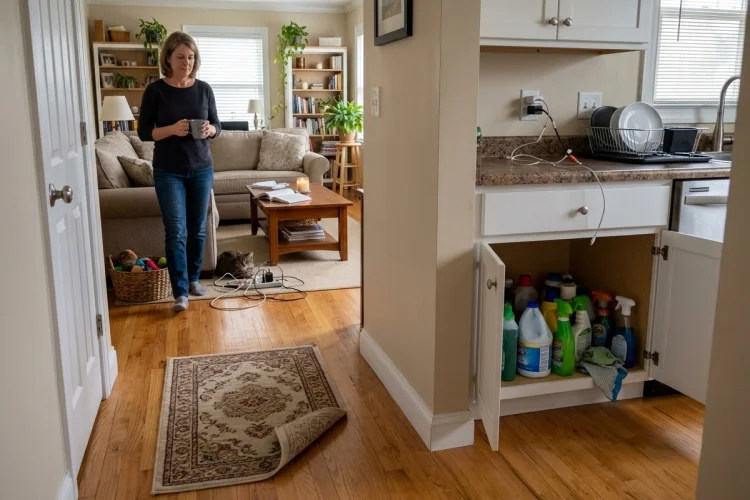
Home is supposed to be a safe place, so it is easy to stop noticing small problems around it. A rug that slides occasionally, a cracked charging cable, or a bottle of cleaner stored under the sink may become part of the background. Unfortunately, familiar does not always mean safe. Many common household hazards are … Read more

How to Conduct a Home Safety Inspection Step by Step

How to Conduct a Home Safety Inspection Step by Step

Your home may feel like the safest place in the world, but familiar spaces can hide hazards that are easy to overlook. A loose rug, overloaded socket, blocked exit, or bottle of cleaner within a child’s reach may seem minor until it causes an accident. Learning how to conduct a home safety inspection helps you … Read more

How to Conduct a Workplace Hazard Inspection Step by Step

How to Conduct a Workplace Hazard Inspection Step by Step

A workplace can look perfectly normal while hiding dozens of potential problems. A damaged cable may be tucked under a desk, a machine guard may have become loose, or workers may be using an awkward lifting method simply because “that is how it has always been done.” These small issues can eventually lead to injuries, … Read more

The Most Common Workplace Hazards Explained Simply

The Most Common Workplace Hazards Explained Simply

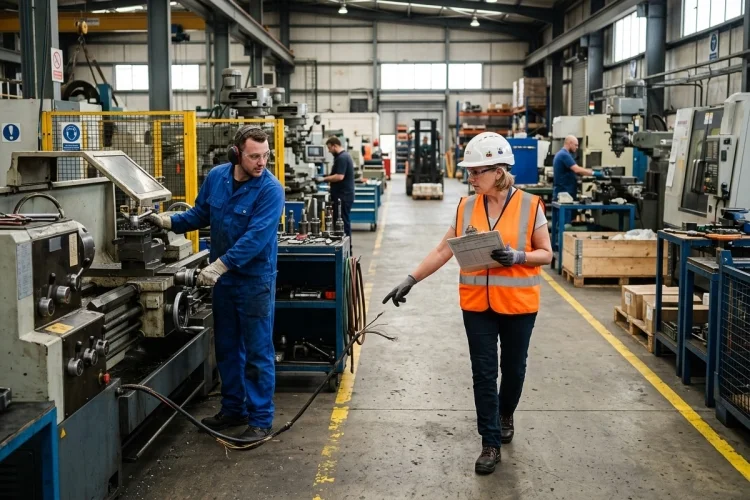
A workplace does not need heavy machinery or hazardous chemicals to be dangerous. A loose cable in an office, an overloaded shelf in a shop, or an unrealistic workload can all cause harm when the problem is ignored. The most common workplace hazards are not always dramatic. Some lead to immediate accidents, such as falls, … Read more

Toxic, Corrosive, Flammable, and Reactive Chemicals Explained

Toxic, Corrosive, Flammable, and Reactive Chemicals Explained

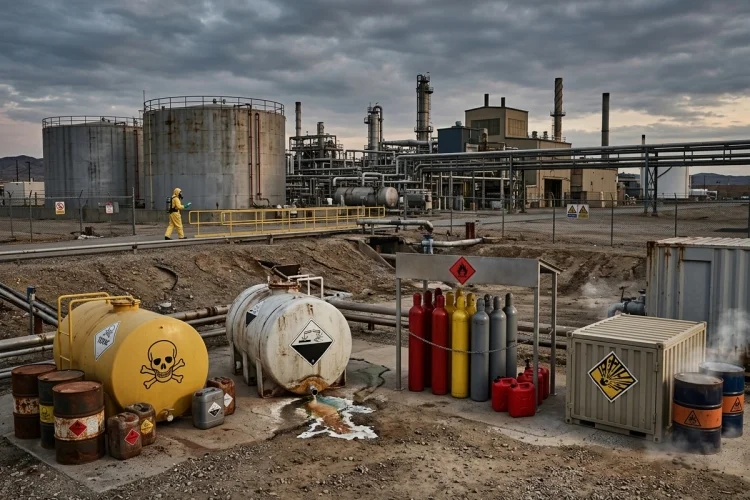
A bottle of drain cleaner, a can of paint thinner, and a cylinder of compressed gas may all carry hazard symbols. However, they are not dangerous in the same way. One might damage body tissue, another could ignite, and another may react violently when mixed with the wrong substance. Understanding toxic, corrosive, flammable, and reactive … Read more

What Is a Chemical Hazard? Types, Effects, and Safety Tips

What Is a Chemical Hazard? Types, Effects, and Safety Tips

Chemicals are everywhere. They are found in cleaning sprays, paints, fuels, medicines, cosmetics, construction materials, laboratories, factories, and even ordinary household products. Most can be used safely when handled correctly, but some have properties that can harm people, damage property, start fires, or pollute the environment. So, what is a chemical hazard? It is a … Read more

The Fire Tetrahedron and Combustion Explained Simply

The Fire Tetrahedron and Combustion Explained Simply

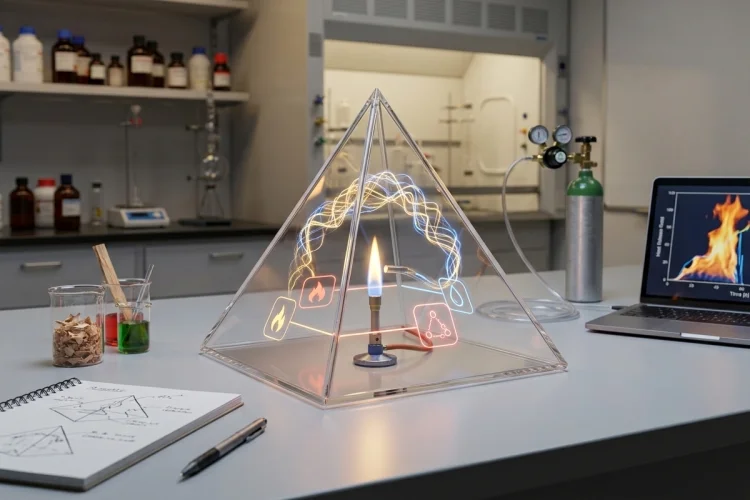
A flame may look simple, but a surprisingly complex chemical process is happening inside it. Fuel is being heated, gases are reacting with oxygen, energy is being released, and new reactions are keeping the flame alive. Many people learn that fire requires three ingredients: fuel, heat, and oxygen. This model, known as the fire triangle, … Read more

How Fires Start: The Fire Triangle Explained Simply

How Fires Start: The Fire Triangle Explained Simply

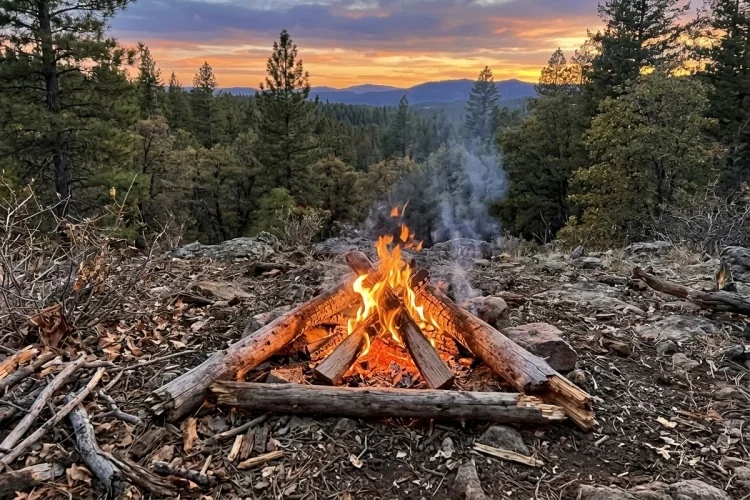
A tiny spark lands on a piece of paper. At first, nothing happens. Then one corner darkens, smoke appears, and a small flame begins to grow. Within a surprisingly short time, that flame may spread to furniture, curtains, walls, or other combustible materials. So, how do fires start? Although every incident has its own circumstances, … Read more